Discover The Enigmatic World Of Krakatoa Zoa: Unlocking Nature's Secrets
By Matthew Barrera
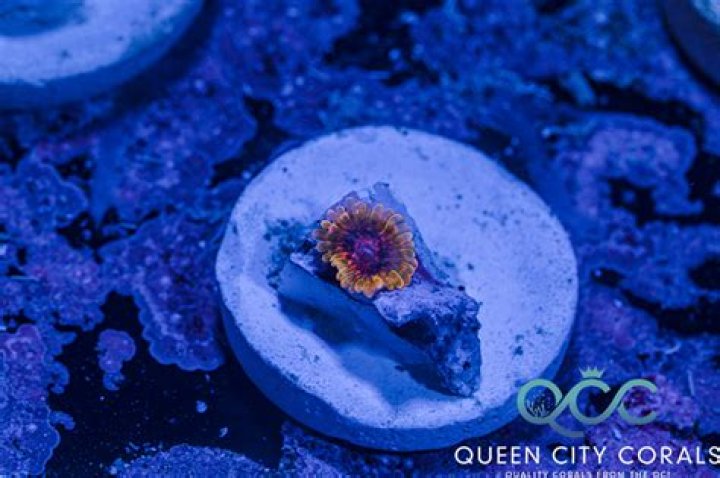
What is Krakatoa Zoa? Krakatoa Zoa is a genus of colonial zoanthids in the family Zoanthidae. They are commonly known as button polyps or daisy polyps. Krakatoa Zoa are found in the tropical waters of the Indo-Pacific region. They are typically found in shallow water, attached to rocks or corals.
Krakatoa Zoa are named after the Krakatoa volcano in Indonesia. The volcano erupted in 1883, and the resulting tsunami destroyed much of the surrounding area. However, the Krakatoa Zoa survived the eruption and have since recolonized the area.
Krakatoa Zoa are important members of the coral reef ecosystem. They provide food for fish and other marine animals. They also help to stabilize the reef structure.
Krakatoa Zoa are a beautiful and fascinating creature. They are a testament to the resilience of life.
Krakatoa Zoa
There are several key aspects that make Krakatoa Zoa unique:
- They are colonial animals, meaning that they live in colonies of hundreds or even thousands of individual polyps.
- They are very resilient and can survive in a wide range of environmental conditions.
- They are important members of the coral reef ecosystem.
Krakatoa Zoa and the Coral Reef Ecosystem
Krakatoa Zoa play an important role in the coral reef ecosystem. They provide food for fish and other marine animals. They also help to stabilize the reef structure.
The presence of Krakatoa Zoa is a sign of a healthy coral reef. When Krakatoa Zoa are abundant, it indicates that the reef is in good condition and is able to support a diverse community of marine life.
Krakatoa Zoa and Climate Change
Climate change is a major threat to coral reefs around the world. Rising sea temperatures and ocean acidification are causing corals to bleach and die. This is having a devastating impact on the coral reef ecosystem.
Krakatoa Zoa are more resilient to climate change than many other types of corals. They can survive in a wider range of environmental conditions, including higher temperatures and lower pH levels.
This makes Krakatoa Zoa a potential ally in the fight against climate change. By helping to protect coral reefs, Krakatoa Zoa can help to ensure the survival of the marine ecosystem.
Frequently Asked Questions about Krakatoa Zoa
Krakatoa Zoa are a fascinating and important part of the coral reef ecosystem. Here are some frequently asked questions about these amazing creatures:
Question 1: What is Krakatoa Zoa?
Krakatoa Zoa is a genus of colonial zoanthids in the family Zoanthidae. They are commonly known as button polyps or daisy polyps. Krakatoa Zoa are found in the tropical waters of the Indo-Pacific region.
Question 2: What is the significance of Krakatoa Zoa?
Krakatoa Zoa are important members of the coral reef ecosystem. They provide food for fish and other marine animals. They also help to stabilize the reef structure. The presence of Krakatoa Zoa is a sign of a healthy coral reef.
Summary: Krakatoa Zoa are beautiful and important creatures that play a vital role in the coral reef ecosystem. They are resilient and can survive in a wide range of environmental conditions, making them potential allies in the fight against climate change.
Conclusion
Krakatoa Zoa are a fascinating and important part of the coral reef ecosystem. They are resilient and can survive in a wide range of environmental conditions, making them potential allies in the fight against climate change.
It is important to continue to study Krakatoa Zoa and other marine organisms to better understand the impact of climate change on the coral reef ecosystem. By working together, we can help to protect these vital ecosystems for future generations.
Emma Weyant: Stunning Beauty And Swimming Sensation
Epic Pichkari Photos: Capture The Holi Spirit
Angelica Suffren: A Respected And Experienced Referee
ZOA SPOTLIGHT How the Speckled Krakatoa Got Its Name REEFEDITION
ZOA SPOTLIGHT How the Speckled Krakatoa Got Its Name REEFEDITION